
In Germany, Christmas smells of pine needles and freshly baked “Vanillekipferl,” a crescent-shaped biscuit dusted in vanilla sugar. Streets glow with fairy lights, and families gather around the Advent wreath, counting down the weeks until the big night. Growing up with these cozy traditions, I always thought Christmas felt the same everywhere – until I came to realize that there are so many different Christmas traditions around the world. It was when I came to Milligan and talked to American as well as international students like myself, that I realized that everyone celebrates their own unique Christmas.
In Mexico, Christmas means color, music and energy. Children re-enact the story of Mary and Joseph’s search for shelter during “Las Posadas,” a nine-day celebration that ends with fireworks, piñatas and laughter. Diego Zarate, a junior from Puebla, told me that he and his family celebrate Christmas Eve on December 24. First, they go to Mass, then they eat dinner – mostly ham or turkey – and in the end they sing “Villancicos,” which are traditional Christmas songs and play board games together.
As in Mexico, in Germany we also celebrate Christmas Eve. After going to church with the family, we come back and start cooking. Usually, we eat a good but simple meal and after that we would exchange presents under the “Tannenbaum,” the Christmas tree. It’s a holiday built on togetherness, where we sing, play the piano and play games. Before Santa arrives, which is the highlight of the evening for many children, they usually recite a memorized poem to show that they have been good and deserve the presents. All this together makes the dark winter days feel a little brighter.
“For me, being together with my family is the best part of Christmas,” says freshman Frederic Zinn from Germany.
In the United States, Christmas carries a warm, spirited charm, filling homes and streets with color, music, and a sense of cheerfulness. Madison Butler, a sophomore from Tennessee celebrates Christmas throughout December with traditions such as putting up the Christmas tree, Christmas lights and baking cookies.
“When we were little, we would take pictures with Santa at the mall,” said Butler.
Christmas presents are being exchanged on Christmas Day after a nice, comfy dinner. Madison’s family usually would have turkey, soup and chocolate pie and other family members would bring more homemade food.
Far from snowy rooftops, South Africa celebrates Christmas in the middle of summer, filling the season with sunlight, barbecues and lively gatherings. After a late breakfast that everyone cooks together Moshe Motau, a senior from Polokwane, and his family would go to the beach and enjoy the day in the sun. This is followed by preparations for a special dinner by the family. Motaus’s family usually would have a lot of meat with “pap,” a staple food similar to polenta.
“Of course it wouldn’t be a Christmas without music, gifts and a Christmas tree,” said Motau.
In the end, Christmas reveals itself as a celebration with countless expressions, shaped by each region’s traditions, climate and culture—yet all united by the same longing to gather with others. From Germany’s peaceful, candlelit Advent evenings to America’s bright, exuberant decorations, from Mexico’s vibrant “posadas” to South Africa’s festive summertime gatherings, every country brings its own character to the season. Their customs may differ, but they’re all tied together by warmth, generosity and joy. And in this blend of local color and shared spirit, we find the true magic of Christmas around the world.
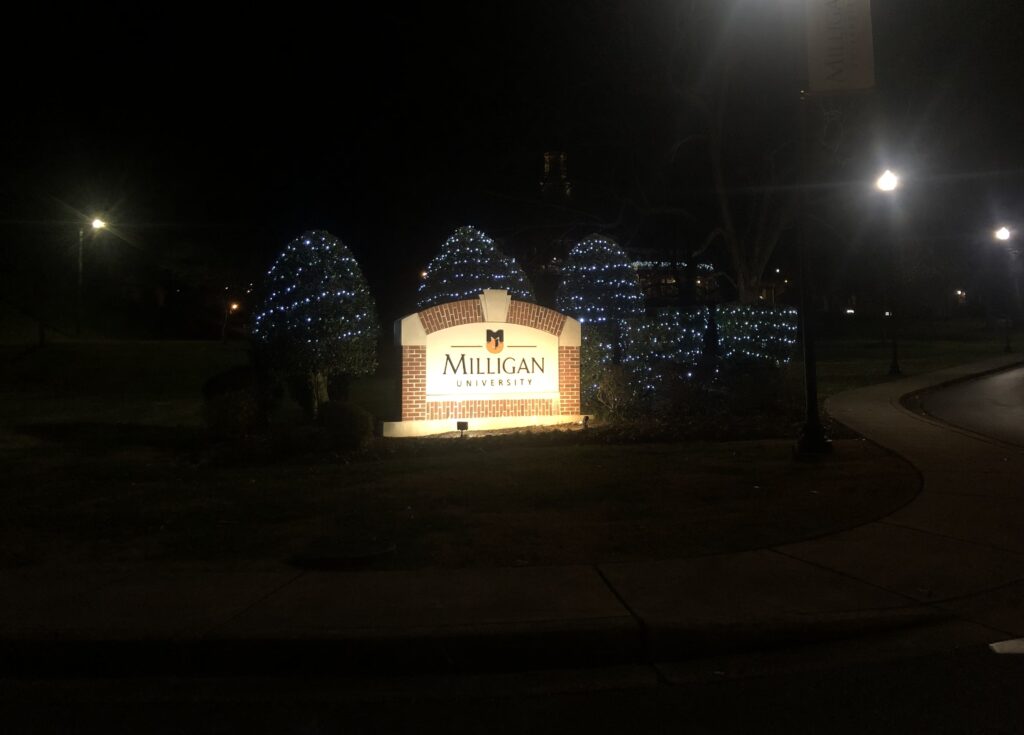
Cover Photo: Milligan University sign with Christmas Lights (Photo Credit: Gabby Jones)