
Junior soccer player Grace Baldwin starts her day with work-study, followed by classes, evening
practice and homework before trying to get to bed around 10:30 p.m.
For a college student-athlete, time management can be a challenge.
Last summer, I worked several softball camps at Milligan University, which included athletes
ranging from elementary school to high school. Each camp included “dugout talks,” giving
campers the opportunity to ask current college student-athletes about our experiences.
The No. 1 question I was asked was always the same: How do you balance school and softball?
Honestly, I wish I had asked that same question before coming to college.
My freshman year, I struggled to figure out what worked for me. I was adjusting to college
classes while learning what it meant to be a college athlete. Learning how to manage practices,
lifts, games, travel, school and a personal life took time.
As a college softball player, my schedule usually includes morning lifts, classes throughout the
day, afternoon practices and homework, while still finding time for myself. During the season,
practice becomes less frequent as games, road trips and travel days take their place.
Heather Richardson, director of student success, said one of the biggest challenges she sees
among student-athletes is their failure to plan ahead.
“When students have extra time commitments, like practices, workouts and games, it is crucial
for them to sit down and map out what extra time they do have so they can use it efficiently,”
Richardson said.
For student-athletes, that could mean using the time between classes to finish assignments or
looking ahead for days when games and travel will limit study time.
Baldwin starts each week by making to-do lists and prioritizing her assignments.
“Things I know will take me longer to do, I start early in the week, so I don’t stress about having
to do it last minute,” Baldwin said.
I’ve learned the same lesson. During softball season, if I know I’ll be traveling Friday through
Sunday, I try to complete assignments ahead of time instead of waiting until the weekend.
Men’s basketball coach Bill Robinson also sees time management as one of the biggest
challenges for student-athletes, particularly freshmen who are still adjusting.
“I do think it’s challenging, especially for freshmen who have never really had to make decisions
on their own: when to go to bed, when to get up, when to study,” Robinson said.
His coaching staff provides practice plans and game schedules in advance, allowing players to
plan their academic responsibilities around basketball.
Richardson recommends that student-athletes make studying part of their regular schedule.
“I always recommend scheduling study time like you would a job or another class,” Richardson
said. “Have set times on set days that are committed to studying and actually show up.”
This could mean using a paper planner or an online calendar. Milligan students also have free
access to Outlook Calendar. Richardson emphasizes that relying solely on memory is one of the
worst things students can do.
Baldwin starts working through study guides early so that she can focus on reviewing the
material during the week of a test. She also paces herself to avoid burnout.
“I also take time to study maybe an hour and a half or two hours then take an hour or 30-minute
break,” Baldwin said.
There are going to be weeks when practice, games, classes and assignments seem to take up all
your time. During times like these, it’s just as important to make time for yourself. Take a break,
get some sleep or spend time with friends. Allowing yourself to rest and recharge can help you
stay focused when returning to school and your sport.
“School and studying is extremely important, but it’s also important to make time for friends and
to do things you enjoy, even if you have to leave early or show up late. Try and go to things your
friends invite you to,” Baldwin said. “In my experience, the break ends up being extremely
beneficial.”
When your schedule does start to feel overwhelming, don’t try to handle everything alone.
Richardson recommends that students reach out to resources, such as Student Success or an
adviser.
Being open and honest with coaches can also help. Robinson said his staff understands that some
athletes have exceptionally demanding academic schedules, such as engineering majors.
“They come in and say, ‘I’m just struggling. I need a day.’ OK,” Robinson said.
Learning to balance school, sports and a personal life is quite the lesson, but it’s worth it.
So, when a camper asks me, “How do you balance school and softball?” my answer is: Plan
ahead, use the time you have, ask for help and find what works for you.
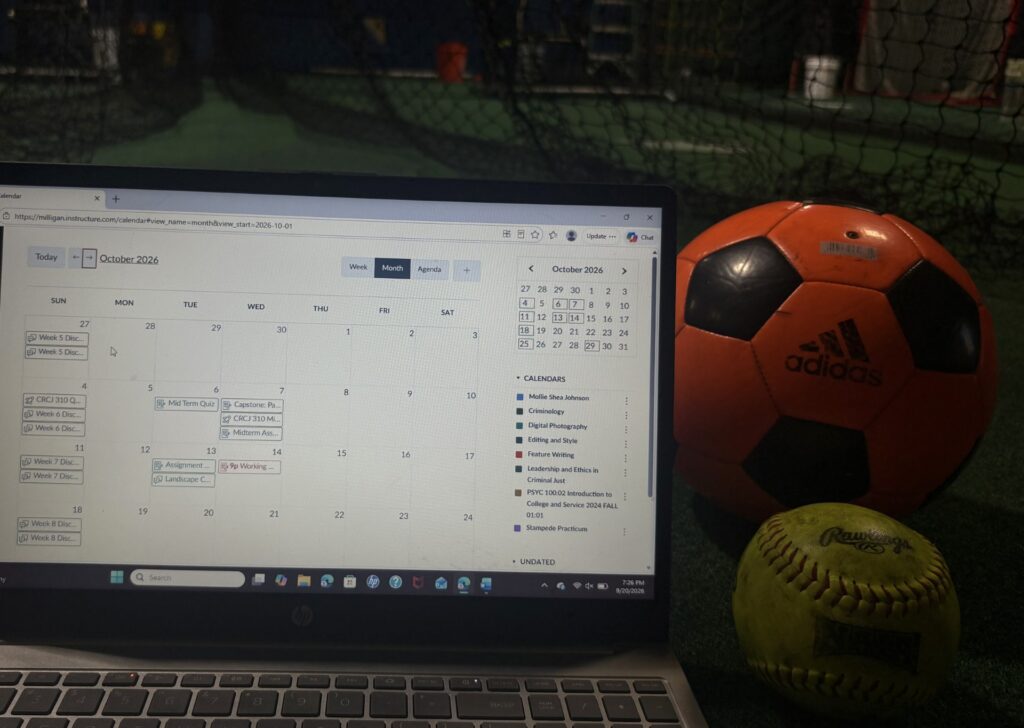
Photo 1: Canvas calendar (Credit: Mollie Johnson)
By: Mollie Johnson
Comments