
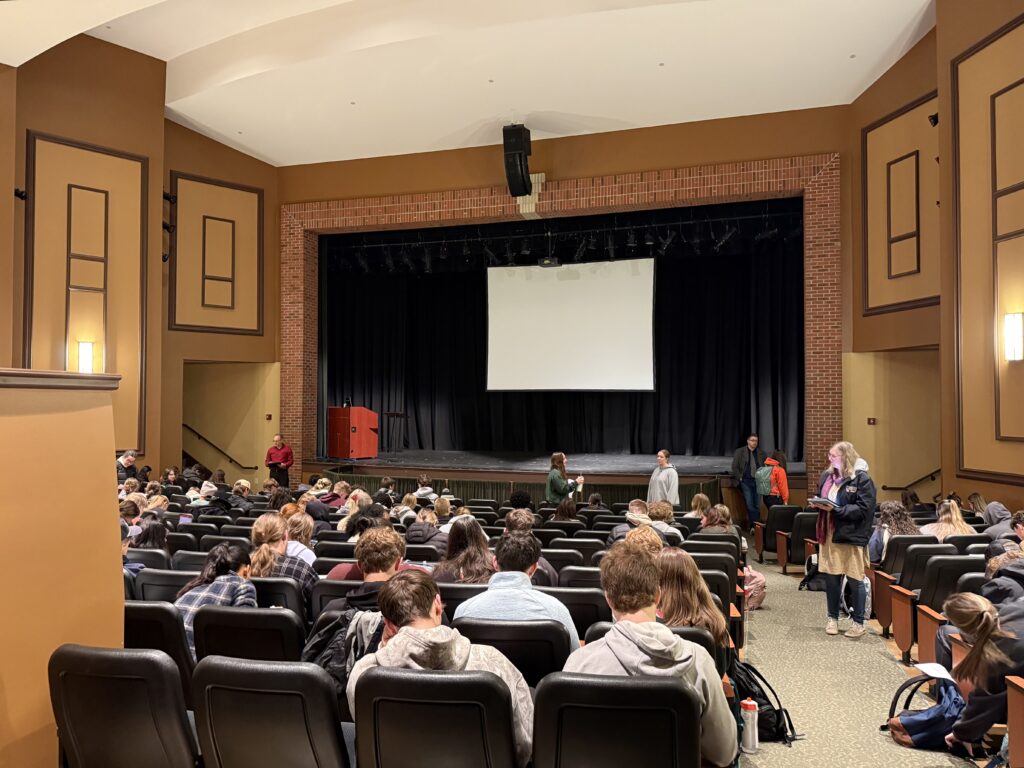
The sound of rustling papers, eyes glued to screens and friends quizzing each other while trying to eat breakfast quickly.
The grill was always my favorite place to cram right before a humanities exam. I never understood why I crammed. I knew all the study tips and tricks. Most of those tips are great, especially for mastering objective knowledge.
The Humanities ask for more than just objective knowledge. They require critical thinking to make deeper connections with our past while recognizing modern trends in society.
For an average student like me, that task initially seemed intimidating and it was at first. By the end of the second semester of humanities, I felt like I had a system down. This system can work for anyone, no matter their skill level—whether it’s someone who was terrified, like me, or top-tier students.
- Study guide.
The study guide makes understanding the material easier, like a playbook for humanities courses. It’s helpful to review it before reading. Going over important names and vocabulary first can help you recognize them in the text.
- The readings are the key.
To do well in class, make sure to read the material beforehand. Class is more about sharing ideas than just listening. If you haven’t read, it’s hard to participate. Reading also helps avoid silence. Keep the syllabus nearby; it shows what to read each day.
- Don’t take notes.
You read that right: don’t take notes. Notes are helpful for quick facts or shopping lists. But for deep thoughts and conversations, they’re not enough. Instead, try keeping a humanities journal. Think of it like a diary, where you ask yourself questions, compare writers, and let your ideas engage in a conversation. An example of a journal entry might be:
While reading Wollstonecraft’s “A Vindication of the Rights of Women,” I noticed similar ideas and themes as in Pizan’s “City of Ladies.” What do these women have in common? What progress has been made or not made in nearly 400 years?
Dr. Tucker Adkins, assistant professor of History and Humanities, assured me I was on the right track. “As somebody who helps put together the study guide and exams, I think that if students did those three things, they would always be prepared.”Studying with friends can be a fun experience. And if you follow this short guide, you can enjoy breakfast at the grill, reviewing for the big exam instead of frantically cramming.
Cover Photo: Back of freshman humanities lecture, Photo Credit: Jocelyn Waits